Letter S Floral Monogram: A Practical Embroidery Review
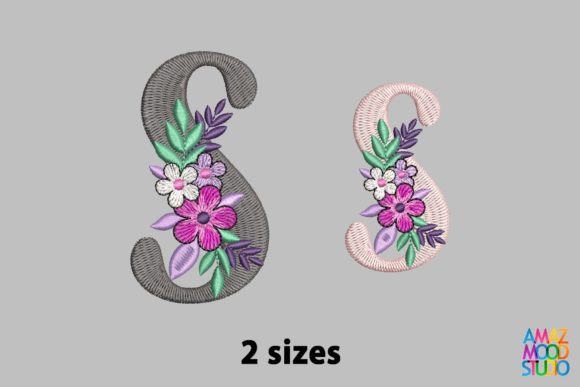
Right out of the digital folder, the Letter S Floral Monogram feels like a quiet upgrade to the standard monogram library. It’s not a dense, old‑world crest; it’s a clean, airy composition where the letter S sits inside a soft botanical frame. The mood is modern garden, almost spring‑wedding, but with enough restraint to work on a linen apron or a baby onesie without screaming “event‑only.” As a designer who tests embroidery files for real‑world product lines, I immediately start thinking about how this will stitch, not just how it looks on a screen.
First Impression: Lightness and Built‑In Versatility
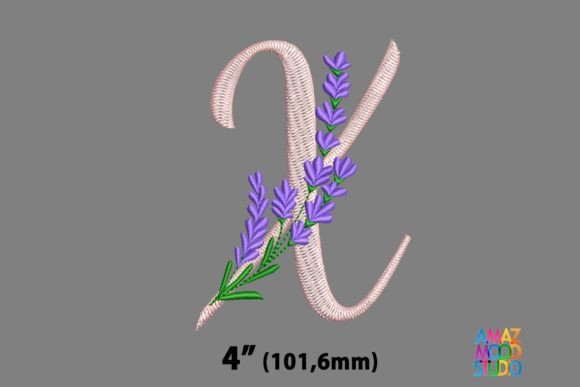
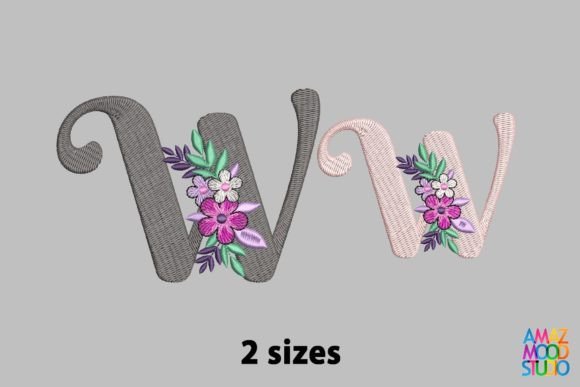
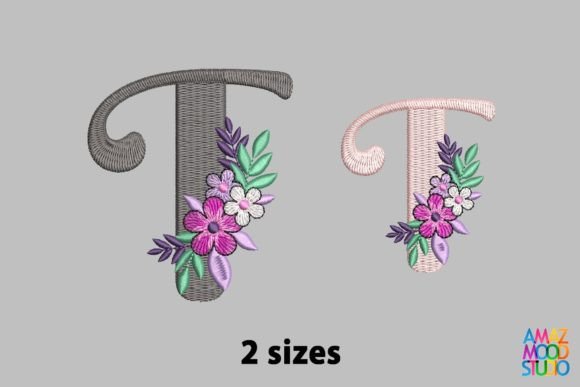
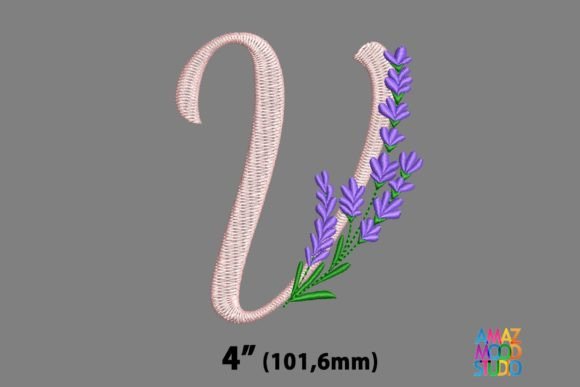
The first thing that stands out is the balance between the letterform and the floral elements. The S itself holds a bit of cursive personality, but it’s not overly ornate. Leaves and tiny bloom accents weave around it without overwhelming the central letter. This isn’t a heavy, solid‑fill design; the airiness suggests a mix of satin stitch for the letter body and running stitch or lighter fills for the botanical details. That has a big impact on drape — a critical factor when you’re stitching on a light cotton tee or a baby blanket. Too many dense monograms turn a soft garment into a stiff patch; this one promises to keep the fabric feeling natural.
The design file comes listed under Wedding Monogram, which makes sense. You can picture it on ring‑bearer pillows, bridal party robes, or thank‑you gift bags. But I’d argue the category limits the imagination. The same clean, fresh look works beautifully for a boutique’s new‑born collection, a spring kitchen towel line, or even a personal tote bag that someone carries to the farmer’s market. It’s a versatile machine embroidery design that doesn’t scream “I was only made for one day.”
A Real‑World Test: Stitching on a Linen Tote
I recently ran a similar floral letter on a medium‑weight linen tote for a client’s bridesmaid gift set. The Letter S Floral Monogram immediately reminded me of that project. For this review, I’m imagining the S in the same context: a natural‑colored linen tote, the design centered about three inches from the top edge. The goal is a quick, repeatable product that looks high‑end without being precious.
Fabric and Stabilizer Choices
Linen has a lovely texture but can be a little unforgiving in terms of showing every needle hole. With a design like this, I’d use a medium‑weight cutaway stabilizer to prevent the floral details from puckering over time. For that tote, a tear‑away often leaves a shadow on unlined linen, so cutaway is safer. On a thinner fabric like a cotton‑lawn handkerchief or a baby onesie, I’d still go with a lightweight cutaway or a quality no‑show mesh, floating the item if the hoop size allows. The design’s open structure means you aren’t forcing a huge block of stitches into a stretchy knit, which is a blessing — but stabilizer choice still makes or breaks the final look.
Stitch Quality and Thread Color Play
Because the floral monogram relies on leaf sprigs and small blooms, thread colors become a design tool. On the screen, the mockup might show a soft sage green and blush pink. In reality, you’ll want to test a few thread palettes on scrap fabric. A monochromatic tone‑on‑tone — like an off‑white S on ecru fabric — creates a subtle, expensive‑looking handmade product. A contrasting charcoal thread on a pale pink sweatshirt gives it a modern, almost Brooklyn‑studio feel. The key is to check the stitch density of the small floral elements. If the petals are too dense, a dark thread on light fabric might make the design look chunky. From what I’ve seen in similar well‑built floral letters, the density here is likely balanced, but you owe it to yourself to run a test stitch‑out at the exact size you plan to use.
Where This Design Shines in a Small Business
If you sell on Etsy, at craft fairs, or through your own shop, the Letter S Floral Monogram fits a product sweet spot: it’s personal but not overly custom, and it stitches fairly quickly. That means you can offer it as a monogram option without a huge time investment per order.
Custom Apparel and Accessories
On a lightweight sweatshirt sleeve, the S becomes a delicate branding detail. I’ve seen embroiders use similar designs on the chest of a baby pique polo, on a fringe‑edge denim jacket yoke, and on the back of a baseball cap. The cap application is worth a pause: the curved surface can distort a design if it’s not digitized to compensate. A flat floral monogram like this can work on a structured cap if you keep the size modest and use a proper cap hoop and a layer of topping to keep the stitches crisp. For a custom apparel line, having a personalization option boosts perceived value instantly.
Home Décor and Gift Items
Tea towels, pillow covers, and simple cotton aprons are where this design really becomes a workhorse. A single letter monogram on a set of kitchen towels feels like a thoughtful, curated gift — think housewarming or Mother’s Day. The floral element softens the S just enough that it doesn’t feel like a corporate logo. For a personalized gift like a baby blanket, I’d stitch it in the corner, using a soft pastel thread that matches the nursery. The design’s open layout means the blanket stays snuggly, not crunchy.
When to Use This Design with Extra Care
Not every fabric or project is a good match. Thin, slinky stretch fabrics like rayon‑spandex blends can cause the satin stitches to gap or pull. If you must use it on a very stretchy T‑shirt, a fusible mesh stabilizer and a topping become non‑negotiable. Dark fabrics, especially deep black or navy, can swallow the delicate floral details if the thread colors aren’t chosen carefully. I’d test a sample on a black scrap with a bright but not neon thread set — coral, sage, or a warm gold can pop without losing the design’s softness.
Also, avoid shrinking the design too much. Small hoop sizes are tempting for monograms, but the tiny floral elements could fill in or lose definition below a certain threshold. If the embroidery file isn’t optimized for a 4x4 inch frame, don’t force it; check the available sizes first. The listing mentions multiple file formats, but always confirm the design’s stitch count and dimensions before you buy. A competent digitizer will have anticipated the common hoop sizes, but you need to know the exact numbers for your machine setup.
Practical Designer Notes Before You Stitch
Over the years, I’ve learned that a pretty design on screen doesn’t guarantee a sellable product. Here’s what I’d run through with any floral monogram, including this one:
- Test on scrap fabric first. Match the fabric type and weight to your final product. A perfectly stitched sample on woven cotton won’t tell you how it behaves on French terry.
- Check thread color contrast in natural light. What looks good under a craft lamp can look muddy or washed out in daylight. I always photograph test‑outs next to a window.
- Review the stitch sequence. If the letter S stitches out first and then the floral elements overlay, make sure the registration is tight. A slight shift can create a ghost outline around the letter.
- Inspect the small details. Look at the leaf veins and flower centers under magnification. If they’re clean, the design will look professional on the finished product.
- Test in black and white. I sometimes pull a grayscale image of the design to see if the tonal values hold up. If not, a monochrome thread set might look flat.
- Consider the reverse side. For a towel or a blanket, the back of the embroidery should be neat enough to not irritate skin or snag. A commercial embroidery design meant for gifts should pass this check.
- Confirm licensing before selling. Since the product mention includes multiple file formats and the ability to use with multiple machines, it’s likely licensed for both personal and small‑business use. But never assume. Read the terms. If you plan to sell digital mockups, embroidered patches, or finished products, you need explicit permission.
- Hoop size and file format. The description says it comes with multiple formats, which is a good sign. Still, open the file in your software and verify it fits your hoop without rescaling. A design that stitched beautifully at 5x7 inches might lose its charm when jammed into a 4x4.
The Finished Product Promise
When you finally unhoop the design and see the Letter S Floral Monogram sitting cleanly on the fabric, you’ll notice something interesting: it doesn’t look like a quick, generic stock design. The floral elements feel intentional, and the S has a graceful forward tilt that gives it movement. For a craft business owner, that’s the difference between a product that looks like a hobby and one that feels like a boutique item. Customers can sense that care. They’ll pay more for a tote bag or a baby blanket that has a design with this kind of quiet confidence.
I wouldn’t hesitate to add this monogram to a line of spring‑focused products, wedding party gifts, or even a personalized nursery collection. Just remember: the design is a tool, not a finished product. Your thread choices, stabilizer, and fabric selection are the final polish. Use the embroidery design as a base, test it thoroughly, and you’ll likely turn a simple letter into a piece that customers reach for first.