Self Made Gay Man LGBTQ Pride Rainbow: Craft Fair Review
Walking into my studio with a fresh pile of embroidery files to test always feels like unwrapping a small gift. You never know exactly how a design will read once it’s stitched onto fabric, hung under festival lights, and placed in front of a real buyer. That’s exactly the lens I’m using today as I unpack the Self Made Gay Man LGBTQ Pride Rainbow machine embroidery design. I’m thinking about how it will look on a canvas tote bag slung over a shoulder, whether it will catch the eye of a customer scanning a booth full of handmade goods, and if it’s practical enough to stitch a dozen times before a Saturday morning market.
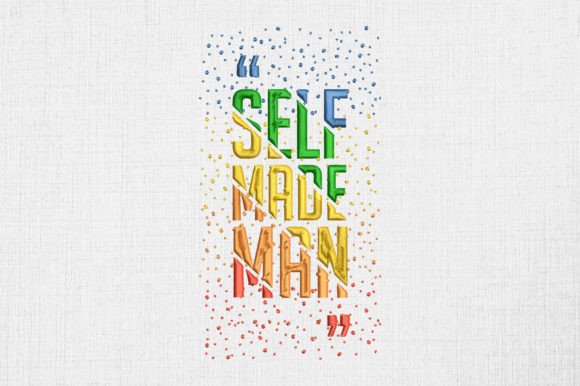
From the title alone, this design feels declarative and celebratory. It’s not a whisper of a message; it’s a statement. The phrase “Self Made Gay Man” carries a sense of pride, resilience, and identity. When paired with the LGBTQ Pride Rainbow, the visual likely becomes a bold, colorful emblem. I can already picture the rainbow arching over or intertwining with strong typography. For craft fair sellers, designs that communicate emotion and identity at a glance often perform better than subtle motifs. Customers buy with their heart first, and this design speaks directly to a community that values visibility and authenticity.
First Impressions: Bold, Modern, and Unapologetically Pride
Before I even load the embroidery file onto my machine, the title tells me a lot. The Self Made Gay Man LGBTQ Pride Rainbow design isn’t trying to be cute or farmhouse. It’s not rustic or minimal. It leans into bold, modern, and festive territory. The rainbow element immediately suggests a need for vibrant thread colors—rich reds, deep oranges, sunny yellows, fresh greens, true blues, and royal purples. If the design includes lettering, which the phrase “Self Made Gay Man” implies, the text likely needs to be substantial enough to remain crisp. I’m already thinking about the weight of the font and whether thin strokes could disappear on textured fabrics like linen or tea towels.
The mood is empowering. It’s the kind of design that makes a customer pause, smile, and maybe even feel a little emotional. In a craft fair setting, that’s pure gold. When a design resonates on a personal level, it transforms a casual browser into a buyer. I can see this stitched on a tote bag that becomes a daily companion, or on a patch sewn onto a denim jacket that tells a story. The pride element ties it to the Awareness category, giving it seasonal relevance for Pride month, but the “Self Made” message makes it relevant year-round. It’s not just a rainbow; it’s a personal affirmation.
Where This Design Shines at Craft Markets
After years of testing, I’ve learned that some designs are made for flat, expansive surfaces, and others work better as small accents. Based on the description, which mentions t-shirts, dresses, scarves, and home decor, the Self Made Gay Man LGBTQ Pride Rainbow seems intended as a focal point. I’d start my testing with a tote bag design. A blank canvas tote gives a large, smooth stitching area. The design could sit centered, filling the space with color and text. A finished tote bag with this design would photograph beautifully for an Etsy listing and wouldn’t feel cramped on a market display hook.
Another high-impact option is an apron embroidery. A bib apron with this design across the chest becomes a conversation starter. It’s the kind of product that works well in a booth that mixes kitchen textiles with handmade gifts. For customers who love to cook or garden, an apron with a pride message feels both personal and functional. I’d also test it on tea towel embroidery, though I’d be mindful of the weave. A tightly woven cotton or linen-blend tea towel would hold the stitches better than a fluffy terry towel. A towel with this design could be folded elegantly, tied with a ribbon, and sold as a gift-ready item.
Smaller products like embroidered patches and fabric pouches offer a different kind of appeal. The design might need to be scaled down, which brings up stitch density concerns. If the rainbow has many color changes and the lettering is intricate, scaling it too small could cause thread buildup or muddy details. I’d test it at a few sizes: one large enough to dominate a patch, and one smaller for a coin purse. The goal is to find the sweet spot where the message remains readable and the rainbow stays crisp. A well-made patch can be sold individually or as part of a set, and it’s a low-cost finished product that encourages impulse buys.
I wouldn’t overlook caps either, though curved surfaces always demand extra care. If the design is too wide, it might pucker on the sides of a cap. A centered, slightly condensed version could work, but I’d need to test the placement carefully. The rainbow might need to be simplified or adjusted for that curved profile. For craft fair sellers, a cap with this embroidery could appeal to a younger crowd or anyone looking for a subtle yet meaningful accessory.
How the Design Affects Booth Display and Buyer Engagement
When I set up my craft fair booth, I think in layers. Some products draw people in from a distance, and others reward a closer look. The Self Made Gay Man LGBTQ Pride Rainbow design, with its likely colorful palette and bold text, is a natural eye-catcher. Placed on a prominent tote bag hanging at the front of the booth, it would signal to potential customers that this is a space of inclusivity and celebration. That kind of visual cue matters. It builds a feeling of welcome, and it can differentiate a booth from dozens of others selling generic, neutral-toned goods.
At close range, the design’s impact depends on stitch quality. Are the rainbow bands smooth and even? Is the lettering sharp? If the thread tension is off, customers will notice. I always recommend creating at least one printable mockup and one real stitched sample before market day. The mockup helps for online listings, but the physical sample is what sells in person. When a customer can touch the stitching and see the sheen of the thread, they’re more likely to trust the handmade quality. For a design with this much emotional weight, the tactile experience matters even more.
The commercial embroidery potential here is strong. Because the design comes with multiple embroidery file formats, it’s adaptable to different machine brands. That’s a huge plus for small shop owners who may have a single-head machine and need to produce consistent results. The key is to batch produce efficiently. I’d hoop up several identical blanks—say, five tote bags—and run them in sequence. Once the workflow is dialed in, the design can become a reliable part of the product line. Before committing to that, though, I’d confirm the commercial licensing details. The description was cut short, so I’d check the full terms to ensure I’m allowed to sell finished products made with this digital embroidery file. This is a non-negotiable step for any Etsy seller or boutique maker.
Practical Production Notes for the Self Made Gay Man Design
Every embroidery design has its quirks, and the Self Made Gay Man LGBTQ Pride Rainbow is no exception. I’d start by examining the stitch density. Rainbows often involve multiple overlapping color blocks, and if the design isn’t well-digitized, you can end up with dense, bulletproof patches that are hard to sew through. I’d test on a scrap of medium-weight cotton first, using a cutaway stabilizer for stability. If the design pulls or puckers, I’d switch to a heavier stabilizer or add a topper if the fabric has a nap.
Thread colors are another critical consideration. The rainbow demands precise color matching. I’d pull out my thread chart and pre-select the six core hues, plus any additional colors for the text. If the text is black or white, that’s straightforward. But if it’s a gradient or outlined in a contrasting shade, I’d need to test on a few different fabric colors. A design that pops on natural canvas might disappear on a dark navy t-shirt. I’d create test stitches on light, medium, and dark fabrics to see how the rainbow contrasts. For dark fabric, I might need to add a light underlay or use slightly brighter thread shades to keep the design vibrant.
Small lettering is a notorious trouble spot. The phrase “Self Made Gay Man” could be rendered in a script or bold sans-serif. If it’s too small, loops may close up, and counters (the inner spaces of letters) can fill with thread. I’d check the recommended hoop size and stick to it. If the design is intended for a 4x4 hoop, the lettering must be large enough to read. I’d avoid stitching it on stretchy fabrics without proper stabilization, because even slight distortion can make text look uneven. For t-shirts, a fusible mesh stabilizer is my go-to. For dresses or scarves, I’d test on a similar fabric swatch first.
When it comes to apron embroidery or tea towel embroidery, I’d consider the texture. A waffle-weave towel might cause the rainbow stripes to look jagged. A smoother linen or flour sack towel yields a cleaner result. I’d also plan for the reverse side: if the design will be seen on the back of a towel or inside a pouch, I’d make sure the bobbin thread blends well or use a backing that hides the stitches.
Photographing and Listing Your Finished Products
An embroidery design is only as good as its presentation. For the Self Made Gay Man LGBTQ Pride Rainbow, I’d want my listing photos to capture the texture and color. Natural light is a must, ideally near a window or outdoors under diffused sunlight. I’d lay a finished tote bag flat, fold it neatly, and photograph the design head-on. A styled shot with a few props—a rainbow pin, a vintage book, a sprig of lavender—can help set the mood. For an Etsy seller or small shop product, lifestyle images matter. A photo of someone holding the tote bag or wearing the embroidered patch gives the buyer a sense of scale and how the design looks in real life.
I’d also create a printable mockup for digital listing purposes if I sell the embroidery file itself. That mockup should show the design on a clean, neutral background, with the file format details clearly stated. Since the description mentions multiple formats, I’d list them out once I confirm which ones are included. Buyers who purchase digital embroidery files want to know exactly what they’re getting, so clarity is key.
Testing and Refining Before Market Day
Before I’d ever add this design to my craft fair inventory, I’d run through a full checklist. First, I’d test the design on at least three different fabric types: a smooth cotton, a textured linen, and a knit with appropriate stabilizer. Second, I’d check the thread changes. A design with many color stops can slow down production, so I’d note the sequence and see if I can streamline it without sacrificing quality. Third, I’d inspect the back of the embroidery. A clean, untangled back speaks to professional digitizing and reduces the risk of thread breaks.
I’d also pay attention to the spacing between elements. If the rainbow arcs too close to the text, it might become a tangled mess of overstitching. I’d look for clean separations. If the design includes a border or background fill, I’d test how it behaves on a curved surface like a cap. The last thing I want is a puckered mess that looks homemade in the wrong way. The finished product should feel like it came from a boutique, not a practice run.
One more thing: brand consistency. If I’m selling at a market that attracts a diverse crowd, this design might fit perfectly into a collection that celebrates identity, self-expression, and love. I’d consider pairing it with other pride-themed or affirmation designs. A cohesive booth tells a story, and this design is a strong chapter in that narrative. The Self Made Gay Man LGBTQ Pride Rainbow isn’t just a pretty picture; it’s a message that can anchor a product line and attract loyal customers.
Final Thoughts from the Embroidery Studio
After thoroughly considering the design’s visual impact, practical production needs, and market appeal, I’m confident the Self Made Gay Man LGBTQ Pride Rainbow has a place in many craft fair booths. It checks the boxes for a bold, meaningful statement piece that works well on tote bags, aprons, patches, and home decor. The rainbow and pride theme give it instant recognition, while the “Self Made” message adds a layer of personal empowerment that resonates deeply. For the handmade product seller, this design offers a balance of emotional connection and commercial viability. It’s the kind of embroidery that makes a customer feel seen—and that’s worth every stitch.
Just remember to test, test, and test again. Confirm your hoop size, dial in your thread contrast, and always check the commercial licensing before selling. A design this powerful deserves to be produced with care, so it can shine as brightly as the rainbow it represents.