Feelin Groovy Hippie Mushroom: Embroidery Designer Review
As someone who stitches for small businesses every day, I immediately saw the potential in the Feelin Groovy Hippie Mushroom machine embroidery design. It’s not just a decorative motif—it’s a personality piece that can anchor a brand’s visual identity. With its retro flair and boho charm, this embroidery file is a serious contender for any handmade product line, from custom apparel to embroidered patches. The description promises it will beautifully complement t-shirts, dresses, scarves, and home decor, and after a close evaluation, I can see why it has caught the eye of so many crafters and merch creators.
This review is written from the perspective of a working embroidery designer who regularly tests digital embroidery files for commercial use. I’ll break down what makes this design tick, where it can elevate a small business, and what practical steps you need to take before putting it on a finished product.
First Impression: A Groovy Vibe Ready for Branding
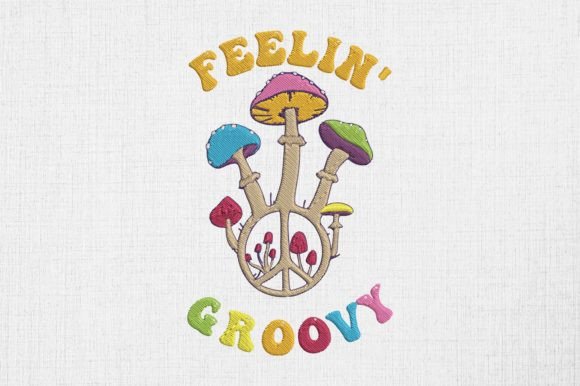
When I opened the preview of Feelin Groovy Hippie Mushroom, the first word that came to mind was “friendly.” The design leans into a playful, slightly psychedelic throwback aesthetic without feeling messy. It’s the kind of artwork that makes you smile, and that emotional response is exactly what small brands need. The mushroom silhouette, likely built with organic curves and a touch of decorative flair, gives off a handmade, earthy vibe that’s perfect for boho-inspired product lines. It’s not overly formal or corporate—it’s approachable, and that can be a huge asset for businesses that want to connect with their customers on a personal level.
The stitch style appears to be decorative yet clean, which means it can hold its own as a standalone design element. I can picture it as a chest logo accent on a café apron, a sleeve detail on a work shirt, or the main event on a tote bag. The Feelin Groovy Hippie Mushroom doesn’t try to be everything; it owns its retro personality, and that confidence translates well to branded merchandise.
How Feelin Groovy Hippie Mushroom Works in Real Business Merch
I always test a machine embroidery design by imagining it in the hands of a real business owner. Here’s where Feelin Groovy Hippie Mushroom shines for small business merch:
- Embroidered patches – A mushroom patch instantly adds a handmade, indie feel to denim jackets, canvas backpacks, or caps. For a boutique, a branded patch can be sold as a standalone product or sewn onto garment tags for a custom touch.
- Staff uniforms and aprons – A bakery, florist, or pet shop could use this design on apron bibs. It’s subtle enough to unify a team but distinctive enough to feel like a brand signature. Even on a polo shirt, it works as a small chest emblem.
- Cap embroidery – The central placement on a cap front is a natural fit. A mushroom motif on a washed-out dad hat or a five-panel cap appeals to a younger, creative audience. It makes a statement without being loud.
- Tote bags and product packaging accents – A reusable tote with this stitching becomes a walking advertisement. It also looks great on cloth pouches, bread bags, or even as a small accent on fabric product labels.
- Etsy branding and craft business assets – For sellers who make handmade goods, stitching this design onto linen pouches, tea towels, or art prints adds a cohesive, branded layer. It turns a commodity into a memorable unboxing experience.
- Event merch and customer gifts – Small runs of custom apparel for pop-up shops, craft fairs, or seasonal product drops can benefit from a design that feels special and limited. The Feelin Groovy Hippie Mushroom has that collectible, boutique quality.
Because the description says the design comes with multiple embroidery file formats, it’s easier to integrate into different workflows. Whether you run a single-needle machine at home or a multi-head commercial setup, you can likely find a compatible format. Always confirm the specific file types before purchasing, especially if you rely on a niche machine.
Where to Use Caution: Small Patches, Curved Surfaces, and Heavy Stitching
No design is perfect for every application, and Feelin Groovy Hippie Mushroom is no exception. As an embroidery designer, I always look for potential trouble spots before committing to a production run.
First, consider small patch sizes. If the mushroom has intricate inner details, tiny lettering, or high stitch density, shrinking it below a certain point could cause thread breaks, puckering, or a loss of clarity. Always test the design at the exact size you plan to use. A 2-inch patch might look completely different from a 3.5-inch version. This is especially critical if you want to use it as a cap front design, where the curved surface can distort stitches if the design isn’t digitized with that in mind.
Next, watch the fabric texture. Thick, plush materials like fleece or loosely woven linen can swallow fine details. Use a proper stabilizer and test on the actual garment you’ll be selling. For dark uniforms, thread color contrast is key. A mushroom silhouette that relies on subtle shading might disappear on a black apron. Always test stitch on a dark swatch to see if the details hold up.
Frequent washing is another factor. If the finished product is a work shirt or apron that will see industrial laundering, the stitch density must be high enough to resist wear, but not so dense that it makes the fabric stiff. The Feelin Groovy Hippie Mushroom design, with its likely decorative nature, may perform better on items that are washed gently or used as occasional-wear pieces.
Brand Identity: Letting a Mushroom Tell Your Story
One of the biggest mistakes I see small businesses make is choosing a machine embroidery design just because it looks cute. A design should serve a purpose. The Feelin Groovy Hippie Mushroom can actually strengthen brand identity when used thoughtfully.
For a coffee shop that leans into a 70s aesthetic, this mushroom becomes a symbol of warmth, simplicity, and sustainability. For a florist, it ties into nature and whimsy. For a pet brand, it suggests a playful, down-to-earth personality. The boho category is no accident—this design fits into a broader visual language that customers associate with creativity, authenticity, and craftsmanship. When a customer sees that embroidered patch on a tote bag or a shopkeeper’s apron, they instantly get a sense of who you are. That builds trust and recognition faster than a generic logo ever could.
It also elevates the perceived value of your products. A plain t-shirt becomes a handmade item worth a premium. A simple tote bag turns into a lifestyle accessory. The Feelin Groovy Hippie Mushroom adds a layer of storytelling that generic text or shapes can’t match. For Etsy sellers, that can mean better reviews, more repeat buyers, and a cohesive shop aesthetic that feels professionally curated.
A Designer’s Practical Checklist Before You Stitch
Before you load the Feelin Groovy Hippie Mushroom embroidery file onto your machine and start a production run, run through this checklist. I use it for every new design I test for commercial embroidery clients.
- Test in black and white first. Print the design on paper or use a preview to check the silhouette. If the shape reads clearly without color, it will stitch well on most fabrics.
- Check small patch size viability. Run a stitch-out at the smallest size you plan to use. Look for thread breaks, thin coverage, or loss of delicate lines.
- Review thread color contrast. Map out thread choices against your most common fabric backgrounds. A mushroom that looks great on natural linen might vanish on a dark heather grey. Adjust thread colors if needed.
- Inspect spacing and underlay. If the digital embroidery file has dense areas, make sure the underlay is adequate to prevent puckering. Too much density on a thin knit can cause headaches.
- Confirm hoop size. The design must fit comfortably in your hoop with enough clearance for the needle. Don’t guess—measure the stitch file dimensions.
- Test on real fabric. A sample on cotton twill is not the same as a stretchy jersey or a textured canvas. Use the exact material you’ll be selling.
- Use the right stabilizer. For tote bags, a strong cut-away stabilizer is your friend. For apparel, a no-show mesh might be better. The stabilizer choice can make or break the finished product.
- Create a printable mockup for client approval. Even if you’re your own boss, a mockup helps you see the design in context. Place it on a template of an apron, cap, or tote bag to confirm placement and scale.
- Compare it beside other design assets. If this mushroom will be part of a brand suite, stitch it next to your logo or other motifs. It should feel like a family, not a random addition.
- Confirm commercial licensing. The description states the design comes with multiple file formats, but it doesn’t explicitly mention resale rights. Before you put it on products you sell, verify that the license allows commercial use. The last thing you want is a copyright issue down the road.
I also recommend doing a wash test on your finished product. Stitch the design on a scrap of the final fabric, wash it according to the care label, and see how the thread holds up. If the colors bleed or the stitches distort, you’ll have time to adjust before your customers see it.
Final Stitch-Out Thoughts
The Feelin Groovy Hippie Mushroom machine embroidery design is a strong candidate for any small business wanting to add a touch of playful, boho personality to their merchandise. It works well as an embroidered patch, a cap embroidery detail, a tote bag design, or an apron embroidery accent. The visual style is broad enough to fit a range of brands—from cafés and bakeries to craft boutiques and pet product lines—yet specific enough to feel intentional. When you pair it with a thoughtful thread palette and proper stabilizer, it can transform a simple garment into a finished product that customers cherish.
As with any digital embroidery file, the real test happens on your machine. Take the time to test, tweak, and proof. The Feelin Groovy Hippie Mushroom has the potential to become a signature mark for your brand, but only if you treat it as a serious design asset. Used wisely, it’s more than a decoration—it’s a small business tool that can build recognition, trust, and a loyal following.