Monogram Frame 2: A Designer’s Review for Craft Fair Products
Walking through my studio this morning, I unzipped the digital file for Monogram Frame 2 and immediately pictured it under the warm lights of a weekend craft fair booth. The description calls it dainty and gorgeous, and that hits exactly right. This isn’t a loud, oversized border. It’s a whisper of elegance, the kind of frame that makes a single initial on a linen tea towel look like a custom heirloom. As someone who has spent years turning embroidery files into real money at handmade markets, I judge every design by three questions: Will it catch a buyer’s eye from three feet away? Does it stitch out reliably on the fabrics I actually use? Can I build a whole product line around it without pulling my hair out? Monogram Frame 2 has me leaning heavily toward yes, with a few careful notes that every Etsy seller, boutique maker, and craft fair vendor should hear.
First Impression: Soft, Refined, and Shockingly Versatile
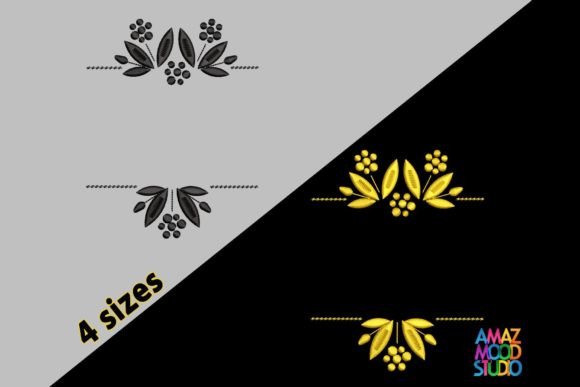
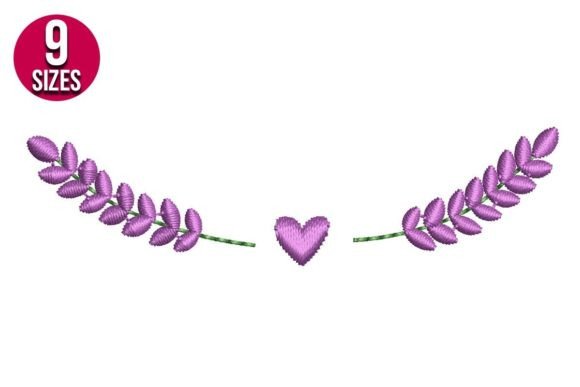
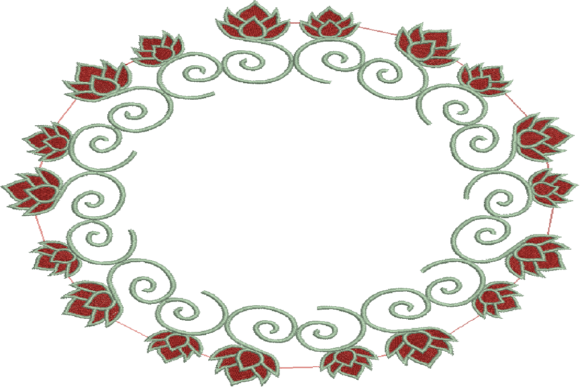
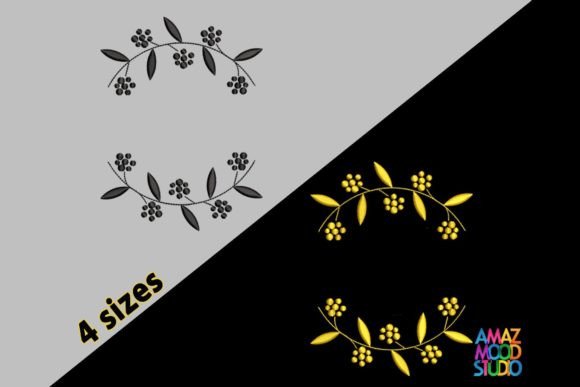
Opening the design, I expected a standard border, but this one reads as a delicate frame first and a border second. The lines feel intentional—not too busy, not too sparse. It’s dainty without being fragile, which matters when you’re stitching on textured fabric. The machine embroidery design sits in that sweet spot between farmhouse charm and modern minimalism, so it plays well with both rustic apron displays and clean, contemporary booth aesthetics. I wouldn’t call it bold or festive; it’s more quietly premium. That’s a huge advantage. Loud designs can limit a product’s appeal, but a frame like this invites the customer to imagine their own initial, their own wedding date, or their own short phrase inside. At a craft fair, that mental engagement is half the sale.
Where Monogram Frame 2 Shines Brightest
I test every embroidery file by mentally placing it on the products I sell most. Here’s where Monogram Frame 2 felt like a natural fit.
- Tea towels and kitchen linens: A single monogram inside this frame on a flour sack towel instantly upgrades it from useful to giftable. The dainty nature of the design means it won’t overpower the towel’s texture, and the border feel frames the letter beautifully. At a market, these sell fast when stacked with a ribbon tie.
- Apron embroidery: I’d place this on the upper chest or bib of a linen apron. The frame adds structure without screaming for attention. It reads as a high-end boutique detail, the kind of thing that makes a $38 apron feel like a $65 find.
- Tote bags and market bags: A large monogram in the center of a canvas tote, surrounded by this Monogram Frame 2 border, looks intentional and elegant. Buyers pick up bags with personalized-looking details even when they are ready-made. This design gives you that edge without needing to stitch custom names on the spot.
- Fabric pouches and small gifts: I’d stitch it scaled down on zipper pouches, makeup bags, or felt project cases. The frame works as a decorative accent, and the product feels like a small luxury. For holiday markets, a set of three pouches with different initials inside the same frame is an easy upsell.
- Pillow covers: On a throw pillow cover, this becomes a gorgeous focal point. The frame holds the letter like a piece of jewelry, and the soft, decorative lines complement linen, cotton, and even velvet without competing.
- Caps and patches: I’ll be honest—caps are tricky. The curved surface can distort frames, and tiny details might get lost. But as a patch, stitched on felt or twill and then applied, it works. I’d test the design at a smaller size on a sturdy stabilizer before committing to a cap run.
I’m less likely to use this on a heavily textured towel or a dark fabric where the daintiness might disappear. For those, I’d want a bolder line weight. But for a soft, romantic booth display filled with pastel linen and natural cotton, Monogram Frame 2 is a star.
How It Performs in a Real Craft Fair Booth
At a market, products need to communicate their value in seconds. A customer walks by, glances at your table, and decides whether to stop. Monogram Frame 2 does something clever: it creates a focal point that pulls the eye toward the letter inside. Even from a slight distance, the frame signals “personalized” and “handmade with care.” I’d display a few finished pieces with different initials or short words, showing the repeatability of the design. A tea towel, an apron, and a tote all hanging together, each with the same elegant frame, instantly tells the story: this is a collection, not a random item. Brand consistency is a real thing, and this border design hands it to you on a silver platter.
Photography matters too. When I shoot products for Etsy listings or social media, I need designs that photograph well. This frame is linear and fine, which means it catches light without creating heavy shadow. On a flat lay, it looks crisp and intentional. The daintiness reads as high-end, not cheap. Just be careful with thread color contrast—use a thread that’s slightly darker than the fabric for definition, or a soft metallic for a subtle glow. A low-contrast thread on a textured fabric can make the frame vanish, and that’s the last thing you want in a product photo.
Practical Production Notes Every Seller Should Read
Now, let’s talk about what actually happens when you load this onto your machine. I always test a new machine embroidery design on scrap fabric before running a batch. Here’s what I’d watch for with Monogram Frame 2.
Stitch Density and Tiny Details
The description says it’s dainty, so I expect some fine lines and possibly dense satin stitches. Dense areas on a frame can pull light fabric if you’re not using the right stabilizer. I’d use a medium-weight cutaway stabilizer for linen and cotton, and a tear-away for lighter towels if I want a clean back. Check the stitch density in the embroidery file; if the frame sections are too dense, you might need to adjust your machine’s tension or scale the design up slightly. Tiny details, like corner flourishes, can become a solid blob at smaller sizes. I’d stitch a test at 4 inches, 5 inches, and 6 inches wide to see where the clarity holds. For a 4-inch tote bag accent, the frame might need to be scaled to a size where the details still breathe. If the file includes multiple sizes, use the one that matches your hoop size and product scale best.
Hoop Size and Placement
I don’t know the exact hoop dimensions for this design, so I’d confirm that before buying. A frame this intricate might need a 5x7 or larger hoop, especially if you’re adding a central letter. Always check the required hoop size and make sure your machine can handle it. When placing the design on a tote bag, avoid the seams and the gusset area. For aprons, mark the center carefully because a frame that’s slightly off-center is painfully obvious. For tea towels, I’d stitch a sample first to see how the border interacts with the towel’s hem or woven stripe.
Fabric and Thread Choices
On smooth quilting cotton, this design will sing. On a thick, textured towel, the fine lines might get lost in the loops. I’d use a water-soluble topper on any fabric with nap or texture to keep the stitches sitting on top. For a soft, romantic look, I’d pick a thread color that’s a few shades darker than the fabric. On a light cream linen, try a pale taupe or dusty rose. On a crisp white tea towel, a soft charcoal or navy brings out the elegance. Metallic threads can work for a festive holiday version, but test first because they can snap or tangle if the design has tight corners.
Stabilizer and Backing
I never skip this step. For a frame that will be washed often—like on a kitchen towel or apron—I use a cutaway stabilizer to prevent shifting over time. For a decorative pillow that won’t see heavy laundering, a tear-away works. If you’re stitching on a cap or a curved surface, a sticky stabilizer and careful hooping are non-negotiable. The design’s daintiness means any distortion will be obvious. I’d also consider a light fusible mesh behind the stitching area for extra stability on stretchy fabrics.
Batch Production and Repeatability
One of my biggest concerns when prepping for a craft fair is whether I can produce the design reliably across twenty items in a week. Monogram Frame 2 feels repeatable. The frame itself is the same every time; only the central letter changes. That means I can stitch out five towels in an afternoon, change the letter between each, and have a cohesive set. The design is not so complex that I’d worry about thread breaks constantly, but I’d still watch the thread path and clean the bobbin area between runs. I’d also create a quick reference card with the best thread color combos and stabilizer settings so I can hand off production to a helper without confusion.
Commercial Licensing and Selling Finished Products
Before you stitch this onto items for sale, check the commercial embroidery license terms. The description mentions multiple embroidery file formats and that it can be used with multiple e—make sure that includes commercial use of finished products. I always keep a printed copy of the license in my studio binder. If the license only covers personal use, you’ll need to contact the digitizer for a commercial upgrade. This is especially important for Etsy sellers and small shop owners who sell physical items. The last thing you want is a design takedown notice right before a big market weekend.
How to Display and Sell the Finished Product
At a craft fair, I’d group items with Monogram Frame 2 together on a dedicated area of the table. Use a small sign that says “Custom Monogram Designs” or “Hand-Embroidered Monogram Collection.” Have a few samples in different sizes and colors so customers can see the possibilities. If you offer custom personalization, display a color chart and a list of available fonts for the letter inside. This design is a natural upsell: a customer buys a tea towel, and then you offer to add a matching pouch or apron at a slight discount. The frame ties the whole look together, making it easy to build a higher-value transaction.
Final Thoughts from the Embroidery Machine
After testing dozens of borders and frames over the years, I can say that Monogram Frame 2 brings a rare combination of delicacy and useability. It’s not the frame you pick for a loud, bulky statement piece. It’s the one you pick when you want your handmade product to feel like a quiet luxury, the kind of thing a customer handles and instinctively says, “This is so pretty.” For craft fair sellers, that reaction is gold. With the right stabilizer, a thoughtful fabric choice, and a solid test stitch, this design can anchor a product line that feels both personal and polished. Just remember to check your hoop size, confirm the commercial license, and always run a sample on the exact fabric you plan to sell. Dainty it may be, but when done right, this frame holds a lot of selling power.