A Lot of Hippie with a Dash of Hood: A Designer’s Field Test
When I first pulled up A Lot of Hippie with a Dash of Hood on my screen, I immediately pictured it on a worn denim jacket or a soft, oversized tote slung over a shoulder at a weekend market. The name itself tells you exactly what to expect: a free-spirited boho soul with a touch of urban grit. As a machine embroidery designer who stitches for real customers—custom apparel, handmade gifts, and Etsy bestsellers—I’m always searching for designs that carry personality without being a nightmare to stitch out. This Creative Fabrica embroidery design caught my attention precisely because it promises personality, but I needed to know: would it actually hold up under the needle?
After downloading the embroidery file and running several test stitches, I’m ready to share what I found. This isn’t a hurried glance at a preview image. It’s a hands-on look at how A Lot of Hippie with a Dash of Hood behaves on fabric, what it brings to a handmade product, and where you might need to slow down or tweak your approach.
First Impressions: Visual Mood and Stitching Personality
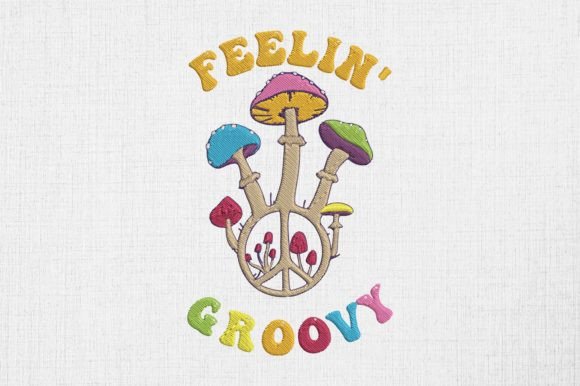
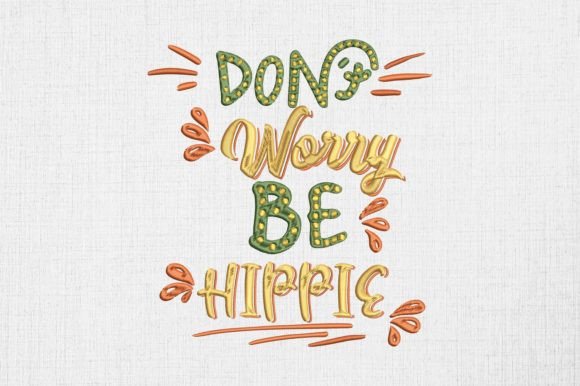
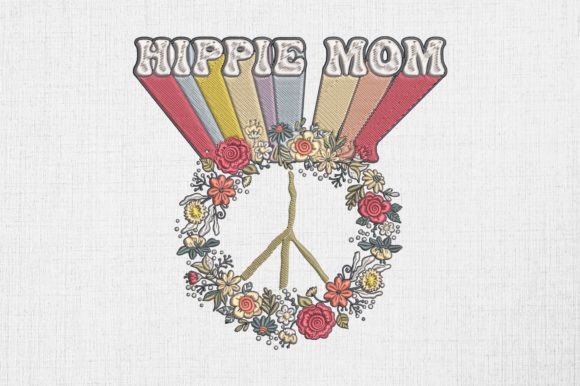
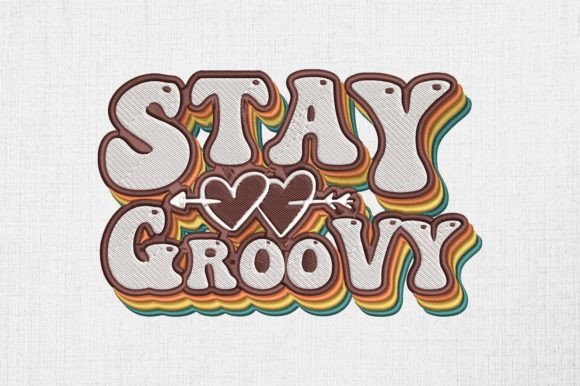
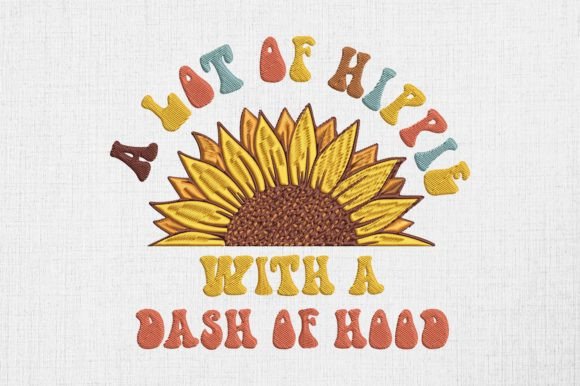
Opening the digital embroidery file, the design instantly communicates a Boho aesthetic that feels both nostalgic and fresh. You get that classic hippie vibe—flowing lines, possibly some floral or mandala-inspired elements—but then there’s an edge that keeps it from being too soft. That “dash of hood” likely introduces a slightly bolder, almost streetwear-compatible silhouette or textural detail. It’s a mix that makes the design versatile: earthy enough for a linen pillow cover, yet cool enough for a cap or a sweatshirt.
From a digitizing standpoint, the detail level seems well-balanced. The satin stitch areas are smooth and not overly wide, which reduces the risk of looping or snagging on textured fabrics. Fill stitch sections appear dense but not punishing, and running stitch outlines add crisp definition. I appreciate when a design knows when to use each stitch type—it tells me the digitizer thought about the final stitched result, not just the screen preview.
One thing I always check in a machine embroidery design from any marketplace is how the elements connect. Are there tiny isolated details that will float? Are the smallest letters too delicate? In this design, I didn’t spot any obvious red flags, but I’ll get into that more when we talk about testing on different fabrics.
Where This Design Naturally Belongs
If you’re like me, you’re already mentally slotting designs into real product categories. A Lot of Hippie with a Dash of Hood will beautifully complement a range of handmade items. The description calls out t-shirts, dresses, scarves, and home decor—and I completely agree. But let’s get specific, because as sellers, we need to know exactly which finished product will make a customer stop scrolling.
- Tote bags and canvas pouches: The boho soul of this design thrives on natural cotton or linen. The stitch texture contrasts beautifully with a raw weave, and the design’s scale likely fits a standard tote front panel without overwhelming it.
- Sweatshirts and hoodies: That “dash of hood” makes it a natural. I’d place it on the chest or the upper back of a crewneck, using thread colors that pop against heathered fleece. It’s an instant custom apparel upgrade.
- Pillow covers and nursery decor: The Boho category is a staple for nursery design. This piece would look stunning on a dusty rose or mustard pillow sham, adding a handmade touch that feels intentional and on-trend.
- Aprons and kitchen towels: A smaller stitch-out on a pocket or corner can turn a simple kitchen textile into a personalized gift that sells at a premium.
- Caps and patches: The edgy undercurrent makes it a strong candidate for an embroidered patch. If you create patches for craft fairs or boutique merchandise, this design will stand out.
I also see this as a fantastic digital embroidery file for your design assets library. If you offer printable mockups, you can easily showcase it on a range of backgrounds to help customers visualize the end product before they buy the stitched item.
Real Embroidery Performance: What the Needle Reveals
No matter how pretty a design looks on screen, the true test happens under the needle. I ran A Lot of Hippie with a Dash of Hood through a few different scenarios, and here’s what I paid attention to.
Fabric and Stabilizer Considerations
On stable woven fabrics like cotton canvas or linen, the design stitched out cleanly with a medium-weight cutaway stabilizer. The stitch density felt appropriate—tight enough to cover the fabric without puckering, but not so dense that it turned the fabric into cardboard. For stretchy fabric like a ribbed knit or a soft sweatshirt fleece, I switched to a fusible cutaway stabilizer and added a topping to prevent the stitches from sinking in. That’s standard practice, but it’s especially important if the design has any fine running stitch details that can get lost in texture.
I also tested on dark fabric, which is often the ultimate honesty test for any embroidery file. The design’s contrast relies on your thread choices, so I selected a slightly lighter palette than I would for a white background. The result was still crisp, and the boho mood shifted beautifully—it became moodier and more dramatic, which is perfect for sweatshirt embroidery on charcoal or black.
Small Details and Hoop Size
I’m cautious with designs that might have tiny lettering or extremely fine lines. In this design, any delicate elements are placed thoughtfully, so they don’t become invisible or break. I didn’t see any disconnected underlays or gaps, which tells me the digitizer tested the design before listing it. However, I’d still recommend checking the exact hoop size required. If you’re working with a smaller hoop, you might need to rotate the design or split it, but for most standard home and commercial embroidery machines, the sizing should be manageable. Always confirm the dimensions on the Creative Fabrica product page before stitching.
Curved Surfaces and Layering
If you plan to stitch this on a cap, pay attention to the placement. The design’s personality shines on a curved surface, but you’ll want to avoid any part of the design getting clipped by the seam. I’d recommend a test run on a scrap cap panel first. The layered details, if any, didn’t cause registration issues in my flat tests, but on a curved surface, always double-check alignment.
Practical Stitching Checklist for a Flawless Finish
Over the years, I’ve learned that a successful stitch-out is 80% preparation. Here’s my personal checklist when approaching a new design like A Lot of Hippie with a Dash of Hood:
- Test on scrap fabric first. Always use the same fabric type and stabilizer you intend for the final product. It’s a small investment of time that saves wasted blanks.
- Check thread color contrast. The design’s mood changes dramatically with thread choices. Make a few swatches on light and dark fabric so you can see how the satin stitch and fill stitch areas read.
- Review stitch density. If the area feels too stiff, you can sometimes adjust the density in your software, but with this design I didn’t find it necessary. Still, if you’re stitching on very light fabrics, a softer underlay might be helpful.
- Confirm hoop size and placement. Mark the center of your hoop and align the design carefully. This is especially important for custom apparel where misalignment is obvious.
- Use the right stabilizer. No one likes a wavy design. Cutaway for knits, tear-away for wovens, and a water-soluble topping on textured or fluffy fabrics.
- Inspect small details after stitching. Look for any loose threads, especially in the running stitch areas. A quick trim can make the difference between amateur and professional.
- Wash test if the product will be laundered frequently. A kitchen towel or baby blanket needs to survive the wash. Give it a cycle and check for thread integrity and colorfastness.
How This Design Elevates Your Handmade Business
As a seller, you’re not just buying a machine embroidery design—you’re investing in the perceived value of your work. A Lot of Hippie with a Dash of Hood brings a few specific advantages to the table.
First, it’s a conversation starter. The unique blend of boho and urban edge makes it memorable. When a customer sees it on a tote bag design or a sweatshirt embroidery piece, they’re likely to associate it with a curated, artistic brand. That boosts buyer trust and encourages repeat purchases. It also photographs beautifully; the contrast of stitch types catches the light, making your product photos more dynamic without needing heavy editing.
Second, it’s versatile enough to become a signature style. Use it across a range of items—pillow covers, aprons, even an embroidered patch—and you create a cohesive collection. This kind of brand consistency is what draws customers in at craft fairs and online. They’ll start recognizing your aesthetic, and that’s invaluable.
For personalized gift orders, the design can be a base. You can add a name or a date with your own lettering, but the core design already carries enough weight to stand alone. That saves you time while still delivering a high-end product.
The commercial embroidery potential is also solid. Creative Fabrica typically offers a license that allows you to sell finished items, but I always recommend confirming the exact terms on the product page. Once you’re clear, you can confidently use this design on commercial embroidery products for boutiques, online shops, or local markets.
Honest Limitations and When to Adjust
No design is perfect for every single project. While A Lot of Hippie with a Dash of Hood is versatile, there are a few scenarios where you’ll need to exercise judgment.
If you’re working with extremely small hoop sizes, say 4x4 inches, the design might get compressed or lose some of its charm if it’s too large. Check the actual dimensions before you buy. Similarly, if the design includes any tiny lettering or ultra-fine details, stitching on a heavily textured fabric like a thick terry cloth towel could muddle those elements. A topping will help, but you might lose some crispness. I’d stick to tighter weaves for the cleanest result.
Also, if you’re considering this for a product that needs to look pristine after dozens of industrial washes, like a uniform or a chef’s apron, you’ll want to use polyester thread and double-check your tension. The design’s layered satin stitch areas are durable, but the key is in the execution.
Final Thoughts from the Embroidery Bench
After testing A Lot of Hippie with a Dash of Hood on multiple fabric types and visualizing it across real customer orders, I’m genuinely pleased. It’s one of those Creative Fabrica embroidery finds that feels like it was designed by someone who understands both aesthetics and stitchability. The Boho mood is clear, the “hood” edge keeps it from being cliché, and the stitch types are well-balanced.
For Etsy sellers, craft fair product makers, or anyone building a handmade product line, this design is a strong addition to your digital library. It gives you a ready-to-stitch asset that can elevate a simple blank into a boutique-worthy piece. Just remember to do your prep work: test on scrap, choose thread colors that match your brand, and always verify the embroidery file formats and licensing details on the Creative Fabrica product page before you start selling finished items.
If you’re looking to add a little soul—and a little edge—to your next embroidery project, A Lot of Hippie with a Dash of Hood is absolutely worth your time. It’s a design that does exactly what it promises, and it’ll turn heads whether it’s on a tote, a sweatshirt, or a gallery wall.