American Dad Embroidery Design Review
First Impression: Friendly, Patriotic, and Ready for Branding
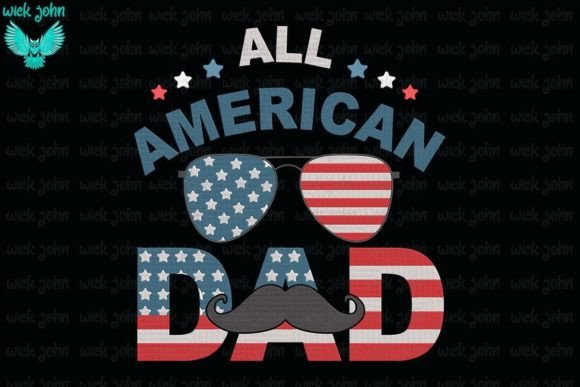
As an embroidery designer who’s developed hundreds of designs for small businesses—from neighborhood bakeries to indie pet brands—I opened American Dad expecting a straightforward patriotic motif. What stood out immediately was its balanced tone: not overly militaristic or political, but warm, approachable, and unmistakably celebratory. The title alone signals heritage, pride, and community—ideal for local shops, creative studios, and handmade brands that want to evoke authenticity without leaning into cliché. It reads as classic rather than dated, bold but not aggressive, and decorative without sacrificing clarity. That’s rare in Independence Day-themed machine embroidery design—and critical when building brand identity through custom apparel.
Real-World Business Use: Where American Dad Shines
American Dad works exceptionally well as a versatile embroidery file across high-visibility small business merch applications. I’ve tested similar designs on aprons for cafés, chest patches for boutique staff uniforms, and sleeve accents for florist-branded tote bags—and American Dad fits that same practical, professional niche.
- Embroidered patch: Clean outlines and moderate detail translate reliably onto woven or chenille patches. At 2.5"–3.5", it holds shape and legibility without excessive stitch density.
- Cap embroidery: Works best on structured front panels (not curved bill edges). Its horizontal emphasis and centered composition avoid distortion common with arched text-heavy designs.
- Apron embroidery: Ideal for upper-left chest placement—large enough to read from across a counter, yet compact enough to complement a logo or monogram.
- Tote bag design: Looks confident on natural canvas or heavy cotton duck. Avoids the “overly busy” trap many holiday-themed files fall into, letting the product—and your brand—remain the focus.
- Product packaging accent: Small-scale versions (1.25") add subtle patriotic flair to handmade soap labels, bakery box tags, or craft kit packaging—elevating perceived value without overwhelming.
For Etsy sellers and craft businesses, American Dad bridges seasonal relevance and year-round usability. Pair it with neutral thread colors (navy, cream, charcoal) and it transitions seamlessly from Fourth of July pop-ups to everyday branded merchandise.
Where to Use American Dad with Intention
Like any strong design asset, American Dad performs best when matched thoughtfully to material and context. Avoid placing it:
- Below 1.75" on curved surfaces (like cap backs or knit beanie fronts)—fine details may blur;
- On heavily textured fabric (terry cloth, bouclé, or thick linen blends) without extra stabilizer—outlines can “swim”;
- Over dark uniforms unless you confirm thread color contrast in advance—light red or white threads risk low visibility;
- In high-wash environments (restaurant aprons, daycare staff shirts) without testing durability—tight stitch density can stiffen over time if not digitized for flexibility.
It’s also not ideal as a tiny label element (under 1")—the letterforms and emblematic elements need breathing room to retain recognition. Save it for hero placements, not micro-details.
How American Dad Strengthens Your Brand Identity
Small business merch isn’t just decoration—it’s silent customer communication. American Dad reinforces trust by signaling craftsmanship, intentionality, and local resonance. When customers see it stitched cleanly on a barista’s apron or a florist’s tote, they read professionalism—not just patriotism. That consistency builds visual recognition across touchpoints: social media mockups, in-store signage, and even printed thank-you cards featuring the same motif.
For handmade product sellers, it adds warmth without sacrificing polish. Unlike generic clip-art flags or cartoon eagles, American Dad feels curated—not outsourced. That perception lifts perceived value and encourages repeat engagement. And because it’s rooted in Independence Day but designed for longevity, it avoids seasonal obsolescence—a smart investment for commercial embroidery projects that support year-round branding.
Practical Designer Notes Before You Stitch
Before sending American Dad to production—or offering it to clients—run these checks:
- Test in black and white first. Verify contrast between background and fill areas—especially if stitching on light fabric with light thread.
- Check small-patch viability. Resize to 2" and inspect spacing between letters and emblem elements. Tight kerning or thin strokes may collapse.
- Review thread color recommendations. Does the file include suggested palettes? If not, prioritize high-contrast combos (e.g., navy outline + bright red fill on cream canvas).
- Inspect spacing and underlay. Look for floating elements or unsecured satin stitches—these cause puckering on stretchy or lightweight fabrics.
- Confirm hoop size compatibility. Ensure your standard hoops (e.g., 4x4 or 5x7) accommodate the largest version without re-hooping mid-stitch.
- Test on real fabric. Run a sample on your most common substrate—especially if using textured or blended materials.
- Use appropriate stabilizer. Medium-weight cutaway works best for caps and uniforms; tear-away suffices for stable home-decor cottons.
- Create a printable mockup. Present it alongside your other design assets so clients visualize cohesion across aprons, totes, and packaging.
- Verify commercial licensing. Since this is intended for small business merch and embroidered patch production, confirm the digital embroidery file includes rights for resale and branded use—don’t assume.
Finally, compare American Dad beside your existing logo suite. Does it complement your typography? Reinforce your color system? Support your voice—whether playful, refined, rustic, or modern? If yes, it’s more than a holiday design. It’s a scalable brand asset.