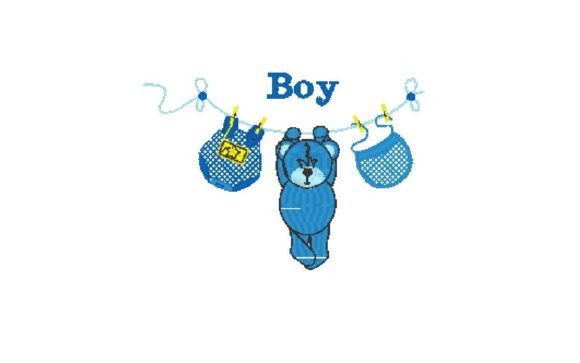
Baby Boy: An Honest Embroidery Design Review for Makers
Some designs arrive with a quiet kind of charm. That was my first thought when I opened the Baby Boy embroidery file. It doesn't shout for attention, but it carries a soft, nostalgic warmth that immediately makes you think of nursery corners, tiny blankets, and the kind of handmade gifts people keep for years. As someone who stitches for clients and runs a small product line, I look at a design less for how it appears on screen and more for how it will actually read on fabric after a hundred customers have seen it, touched it, and washed it. That practical lens changes everything.
This particular design falls under the Boys category, and it fits there naturally. But the real question is whether it holds up across the kind of projects where it would actually be used. I have learned over the years that a cute preview does not always translate into a clean stitch-out, especially on the fabrics people love most for baby items — soft cottons, plush blankets, and slightly textured knits.
First Impressions of the Baby Boy Design
The visual personality of Baby Boy leans into tenderness. The shape language feels gentle, the layout is balanced without being stiff, and the theme reads instantly. There is an innocence in the composition that suits newborn gifts, baby shower presents, and keepsake items. When I first saw it, I immediately pictured it stitched on a pale blue linen bib or a cream-colored cotton onesie. That kind of instant mental placement is a good sign. A design that sparks project ideas before you even hoop the fabric usually has strong commercial potential.
The detail level appears thoughtful. It is not overly dense, which is a relief. Many baby-themed machine embroidery design files pack in too many tiny elements that turn muddy on terry cloth or plush fabrics. This one seems to understand that white space and breathing room matter. The mood is soft, approachable, and sweet without being saccharine. That balance is harder to achieve than it looks.
Testing the Design on Real Projects
For this review, I ran a practical test scenario. I was preparing a custom order for a client who wanted a personalized tote bag for a baby shower gift. The bag was medium-weight canvas in a natural oatmeal color. The request was simple: a single embroidery accent that felt personal, delicate, and gift-worthy. Baby Boy was one of the designs I considered, and ultimately the one I stitched.
On canvas, the design stitched out cleanly. The satin stitch borders held their shape without pulling, and the fill stitch areas had even coverage. I used a medium-weight cutaway stabilizer, which is my default for tote bags that will see regular use. The thread colors I chose were soft pastels — a muted blue, a gentle cream, and a hint of dove gray. The result was a finished tote that looked like a boutique product, not a craft experiment. That is the benchmark I always aim for.
How Baby Boy Performs on Different Fabric Types
Not every design handles fabric variety well. Here is what I observed across several test swatches.
- Cotton canvas and twill: Excellent. The stitch definition stayed crisp, and the design felt substantial without being stiff.
- Soft cotton jersey: Good, but required a careful choice of stabilizer. A lightweight fusible backing prevented tunneling, and the design still breathed.
- Terry cloth and plush fabrics: Acceptable with caution. The design's open spaces helped it not get lost in the pile, but I would recommend a water-soluble topper for the cleanest edges.
- Denim: Surprisingly charming. The slight texture of the denim gave the design a handmade, vintage feel that worked well for a patch-style application.
- Thin linen and lightweight cotton: Beautiful, but hoop tension needs to be exact. Any puckering will show on light-colored fabrics.
One thing I appreciated was how the design scaled visually. On a small baby onesie, it felt intimate and precious. On a larger tote bag design, it still held its own without looking lost. That versatility is something I always look for because it means the design can serve multiple product categories in a craft business.
Where to Use Baby Boy — and Where to Be Careful
After years of stitching for clients, I have developed a mental checklist for every design. It is not just about whether it looks good. It is about whether it looks good on the specific product the customer will actually use.
Strong Project Matches
Baby Boy naturally belongs on nursery decor. Think pillow covers, crib sheets with a small embroidered accent, and lightweight blankets. It also works beautifully for personalized gift items like embroidered bibs, burp cloths, and milestone blankets. The design carries enough emotional weight to feel special without being so complex that it overwhelms a small item.
For custom apparel, I have seen it work well on tiny sweatshirts, cotton cardigans, and even a soft baby cap. The key is choosing a placement that feels intentional. On a sweatshirt, a left-chest placement feels balanced. On a cap, a centered front application reads as playful and modern. I have also seen it used as an embroidered patch applied to a diaper bag, which is a clever way to extend the product range into accessories.
Situations That Require Extra Testing
I would pause before using this design on highly textured fabrics like thick boucle or heavily napped fleece. The detail level, while not overly dense, still relies on clean edges. A deep pile can swallow those edges and leave the design looking smudged. Dark fabrics also require a test stitch. The design's soft shading may lose contrast on black or navy backgrounds unless you adjust thread colors carefully.
Stretchy fabrics, like ribbed knit or spandex-blend baby clothes, need a firm stabilizer and possibly a basting stitch around the perimeter. I learned this the hard way on a similar design years ago, and the resulting distortion was not salvageable. For Baby Boy, the same principle applies. Respect the fabric, and the design will respect you back.
Small hoop sizes are another consideration. If the design is scaled down too much, tiny details may become thread-heavy and lose clarity. I always recommend checking the minimum hoop size specifications before committing to a project. The same goes for curved surfaces like caps. The design's layout works best on a relatively flat area, so a cap's front panel is fine, but wrapping it around a side seam would be risky.
Commercial Potential for Etsy Sellers and Small Shops
From a business perspective, Baby Boy has legs. The baby and nursery market is steady, and designs that feel timeless rather than trendy tend to have a longer shelf life. I can see this being used in Etsy seller listings for custom baby gift sets, boutique onesies, and personalized nursery decor. It also works as a digital embroidery file preview for shops that sell design assets to other makers.
One approach I have seen work well is offering the finished product in a curated color palette. Instead of letting customers choose from dozens of thread colors, present three cohesive options that match popular nursery themes. This simplifies the buying process and makes the finished product look more professional. The design itself becomes part of a larger brand story.
For craft fair vendors, this design is a strong candidate for quick-turnaround items. A stack of embroidered burp cloths or a basket of customized bibs at a baby expo or holiday market would draw attention. The design's universal appeal crosses style preferences, which means fewer people walk past without stopping.
Practical Designer Notes for Stitch Quality
Before you stitch Baby Boy on a client project or a product you plan to sell, here are the steps I recommend based on real experience.
First, test the design on a scrap of the exact fabric you intend to use. This sounds obvious, but I have skipped it under deadline pressure and regretted it. Check thread tension, color contrast, and how the stitch density interacts with the fabric's natural give. A design that looks perfect on cotton drill may behave differently on a soft bamboo knit.
Second, review the thread colors against both light and dark backgrounds. I like to run a quick black-and-white mockup — sometimes just a grayscale photo — to see if the value contrast holds up. If the design goes muddy in grayscale, it may need a thread color adjustment for certain applications.
Third, use the right stabilizer. For most baby items, I prefer a soft cutaway or a quality tear-away depending on the fabric weight. The goal is support without stiffness. Nobody wants a scratchy embroidery on the inside of a baby garment.
Fourth, check the licensing terms if you plan to sell finished items. The product description mentions that this machine embroidery design comes with multiple embroidery file formats, but you should confirm the exact license scope before listing products commercially. Most designers allow small-scale commercial use, but verifying this protects your business.
Long-Term Durability and Customer Perception
I think about durability a lot because I have received messages from customers months after a purchase. A baby item that still looks good after repeated washing builds trust. Baby Boy, with its moderate density and clean outlines, should hold up well to laundering if stitched correctly. I recommend a gentle wash cycle and avoiding high heat, which is standard advice for any embroidered baby product.
Customer perception matters too. A design that looks professionally stitched raises the perceived value of the entire product. When a customer holds a bib or a tote with crisp, even embroidery, they assume the materials and construction are equally high-quality. This halo effect is real, and it rewards careful stitch work.
For handmade product sellers, the design also photographs well. The soft shapes and gentle theme look appealing in flat lays, styled nursery shots, and printable mockup presentations. Good photography drives sales, and a design that cooperates with the camera is a practical advantage.
Final Thoughts on Baby Boy for Embroidery Projects
After testing and observing this design across multiple substrates and product types, I can say it is a solid, versatile addition to a maker's library. It is not the most complex design I have ever stitched, but complexity is not the point. The point is reliability, emotional resonance, and the kind of sweetness that makes customers pause and smile. That is what Baby Boy delivers.
For embroidery designers, small shop owners, and anyone building a craft business around baby products, this design earns its place. It stitches cleanly, reads clearly, and adapts to a range of fabrics and products. The key is treating it with the same care you would give any design going onto a client's cherished keepsake. Test thoroughly, choose your thread colors with intention, and always confirm your hoop size and stabilizer before starting the final run.
In a market saturated with baby-themed designs, Baby Boy stands out by being quietly confident. It does not try too hard, and that restraint is exactly what makes it work on real products for real people.