Ballerina 6 Embroidery Design Review: A Dainty Dance Stitch
As a working embroidery designer, my eye is always scanning for machine embroidery designs that balance delicate artistry with clean stitchability. When I came across Ballerina 6 on Creative Fabrica, I immediately pictured it on a soft pink baby blanket, a personalized tote bag for a little dancer, or even a set of kitchen towels for a ballet-themed boutique. The product description calls it dainty and gorgeous — and I have to agree, the first impression is pure grace. But the real question is: how does this digital embroidery file hold up under real stitching conditions, and does it bring enough value to your handmade products or commercial embroidery lineup?
This review reflects my honest assessment after sitting with the design, planning a few potential projects, and considering everything from stitch density to market appeal. I’ll walk through where Ballerina 6 shines, what to watch for, and how it might fit into your own creative business — whether you sell on Etsy, run a small craft fair booth, or create custom apparel for clients.
First Impressions: A Delicate Silhouette That Tells a Story
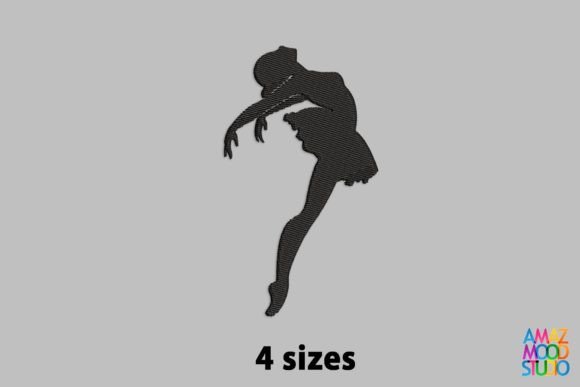
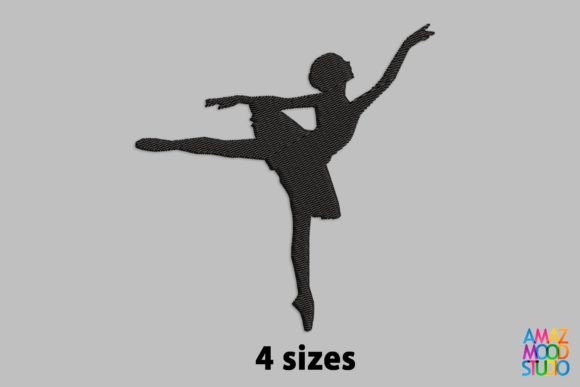
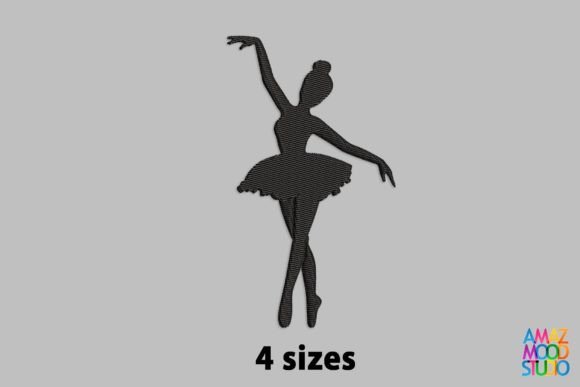
Opening the preview, I was struck by how Ballerina 6 captures the quiet elegance of a dancer mid-pose. The design feels like a moment frozen in soft motion — the raised arms, the tilt of the tutu, the curve of the leg. It’s not overly fussy, which is a good thing. In my experience, overly detailed embroidery designs can become muddy on fabric, especially at smaller sizes. This one, however, seems to rely on clean, purposeful linework. The product description says it’s a high-quality embroidery that is beautifully and carefully crafted, and from the preview, I believe it. The stitching appears to be primarily satin stitch outlines with some fill stitch accents, which usually leads to a crisp, dance-like lightness on finished goods.
Emotionally, Ballerina 6 reads as nostalgic and sweet. It would feel right at home on projects for toddlers, young children, or anyone who loves the poetry of ballet. I could see it transforming a simple sweatshirt into a cherished gift or giving a set of pillow covers a boutique-nursery feel. The Dance category is often full of bold, graphic designs, but this one stands out for its dainty personality. It whispers rather than shouts — and that’s exactly the kind of machine embroidery design that can become a signature in your shop.
Where Ballerina 6 Naturally Fits
Over the years, I’ve learned that a design’s real-world value is tied directly to the projects it can elevate. Ballerina 6 isn’t a one-size-fits-all workhorse; it’s a specialty piece. Here’s where I’d confidently place it:
- Custom apparel: A single ballerina on a sweatshirt or a t-shirt hoodie creates an instant ballet-lover’s staple. The soft silhouette works beautifully with heathered or pastel fabrics.
- Tote bags and aprons: I’d stitch this on a linen tote bag as a dance-class carryall, or on a twill apron for a baking enthusiast who also loves ballet. The design adds a handmade, thoughtful touch that buyers notice.
- Nursery decor and baby items: A framed hoop art piece, a baby blanket corner, or a crib sheet patch — the gentle mood fits perfectly. It’s a superb addition to any fabric that needs a sprinkle of tenderness.
- Pillow covers and kitchen towels: A single ballerina on a throw pillow can be the centerpiece of a dance-themed room. On a kitchen towel, it’s a charming, unexpected detail that works well for seasonal gifts.
- Patches and caps: While the design feels delicate, it could be adapted into a small patch for a dance bag or a curved cap front, if the size and stabilizer are right. I’d test first on a structured cap to ensure the small details don’t warp.
- Printable mockups and digital product listings: Because the design is so clean, it would photograph well for Etsy listing images or craft fair promotional materials. A well-lit photo of the stitched Ballerina 6 on a neutral fabric can attract scroll-stopping attention.
Real-World Embroidery Performance: What to Expect
When I evaluate any Creative Fabrica embroidery design, I’m thinking about how it will actually sew out — not just how it looks on screen. Ballerina 6 has a few inherent characteristics that demand careful handling.
Small Details, Big Impact
The ballerina’s arms, the tutu layers, and the tiny ballet slipper details are likely rendered with fine satin stitch segments. In my experience, these can be prone to thread breaks or misalignment if the stitch density is too high or the fabric isn’t properly stabilized. I always test on a scrap of the exact fabric I’ll use for the final product. You’ll want to examine the tutu closely — too many stitches and it might pucker on lightweight cottons; too few and it might look sparse on darker fabrics.
Fabric and Stabilizer Choices
For a dainty design like this, I’d avoid heavy textured fabrics like terry cloth or highly stretchy knits without a solid plan. A medium-weight cotton or linen is ideal. On stretchy apparel like a sweatshirt, I’d use a cut-away stabilizer and a topping sheet to keep the stitches from sinking in. On a tote bag, a tear-away stabilizer often works, but I’d add a lightweight fusible interfacing if the bag is thin. Proper stabilizer is non-negotiable — it can mean the difference between a polished, giftable piece and a puckered mess.
Hoop Size and Placement
Before purchasing, always check the hoop size listed on the Creative Fabrica product page. The design appears to be sized for a standard 4×4 inch hoop, but I strongly recommend verifying the exact dimensions and available file formats. If you plan to stitch on a curved cap surface, the small footprint might work, but the fine details could get lost on a structured cap’s seams. I’d run a test on a flat piece of cap fabric first.
Thread Color Contrast
Ballerina 6 looks beautiful in a single color — think soft ballet pink, rose gold, or even an elegant charcoal on a light background. However, if you’re tempted to use a dark thread on a dark fabric, keep in mind that the subtle linework might disappear. I always compare light and dark fabric mockups before committing. A high-contrast combination (white thread on a dusty blue sweatshirt, for example) makes the design pop and photographs beautifully.
Practical Considerations Before You Stitch
No matter how pretty a design is, skipping the prep work can lead to wasted materials and frustrated customers. Here’s what I’d do before using Ballerina 6 in a paid project:
- Double-check the product page details. Since the provided description doesn’t specify stitch count, exact file formats, or hoop size, I’d open the Creative Fabrica listing and read everything carefully. Look for notes on file types and any licensing restrictions. As a commercial embroidery seller, you need to know if the license allows you to sell finished physical products.
- Test stitch on scrap fabric first. I can’t stress this enough. Run a sample with the same stabilizer, thread, and fabric you intend to use. Watch for thread breaks, bobbin tension issues, and any distortion in the tutu or arms.
- Examine stitch density. If the tutu area feels too dense, you might be able to adjust it in your embroidery software, but that requires editing skills. If you’re a beginner, stick to the original file and choose a fabric that can handle the density.
- Consider the recipient or customer. If the product will be washed frequently — like a baby blanket or kitchen towel — use a permanent press stabilizer and a quality polyester thread that won’t fade. I’d also enclose an embroidered patch care card with the finished item.
- Inspect small details after stitching: Look at the ballet slipper ribbons and the fingertips. Any loose threads or tiny gaps can be carefully trimmed, but the overall result should look neat and gift-ready.
Product Value and Brand Consistency
When you add a design like Ballerina 6 to your catalog, you’re not just selling a decorative stitch — you’re selling a feeling. Buyers on Etsy or at craft fairs are drawn to the emotional pull of a dainty and gorgeous ballerina. This design can instantly elevate the perceived value of a simple item. A plain tote becomes a “dance bag”; a plain sweatshirt becomes a “ballet warm-up layer.”
From a brand perspective, using Ballerina 6 consistently across a few products can create a cohesive look. It’s the kind of design that works well in product photography — the delicate lines catch the light and immediately signal “handmade with care.” This builds buyer trust and encourages repeat customers who come back for that soft, romantic aesthetic.
However, I’d use it strategically. Because it’s so recognizable, I wouldn’t overuse it in an entire collection. Instead, I’d make it a hero design for a seasonal capsule: a “Ballet Dreams” mini-collection with a matching sweatshirt, a pillow cover, and a personalized gift set. That way, Ballerina 6 feels special and intentional, not repetitive.
Final Thoughts on Ballerina 6
After examining the visual and thinking through real-world use, I believe Ballerina 6 is a worthwhile addition to a maker’s digital library — especially if your audience adores Dance-themed items or you’re looking to expand into nursery decor and delicate custom apparel. It’s a high-quality embroidery that is beautifully and carefully crafted, and the preview confirms that the designer paid attention to the gracefulness of the subject.
What makes it stand out is its versatility within a narrow niche. It’s not a bold, all-over pattern, but a singular, elegant statement. That can be a huge advantage when you want to create a handmade product that feels personal and upscale. Just remember to respect the small details — test your setup, choose the right stabilizer, and always verify the licensing terms on the Creative Fabrica embroidery product page before selling finished items. If you do, Ballerina 6 could become a quiet favorite in your stitching rotation, the kind of design that turns a simple piece of fabric into a cherished keepsake.