Petroglyph Seven: Ancient Symbol, Modern Apparel Staple
A Designer’s First Impression: Timeless, Tactile, Thoughtfully Balanced
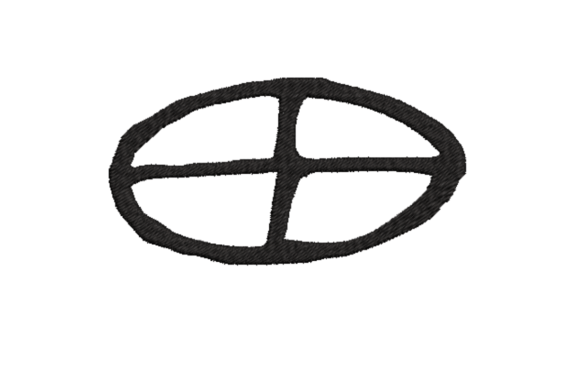
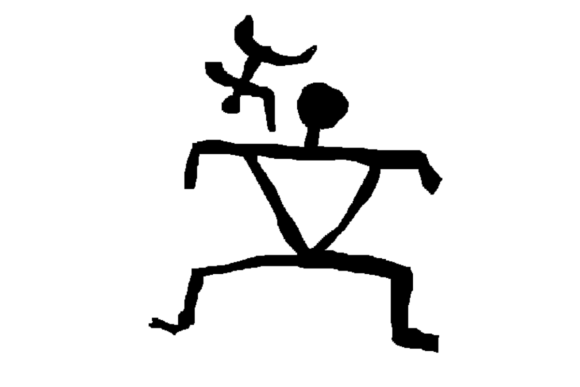
Opening Petroglyph Seven on my embroidery software, I felt that quiet click of recognition—like spotting a familiar glyph carved into sun-warmed stone. It’s not overly ornate, nor is it stripped down to abstraction. This Shapes category embroidery file lands squarely in the “rustic-meets-refined” zone: clean lines with subtle organic weight, balanced negative space, and a sense of intentional stillness. It reads as ancient—but not obscure. For boutique apparel, that’s gold. It avoids trend fatigue while feeling quietly current—more classic than cute, more grounded than playful. The stitch density feels considered: dense enough to hold definition on fleece or loopback fabric, but open enough to breathe on lightweight cotton tees. No tiny lettering or fragile filigree to snag or distort—just confident, scalable symbolism.
Sweatshirt Embroidery & Hoodie Design: Where Petroglyph Seven Shines
I tested Petroglyph Seven across six neutral sweatshirts and pastel hoodies—cream, heather grey, oat, sage, dusty rose, and deep charcoal. On light fabrics, it reads with gentle authority; on darks, it gains gravitas without needing metallic thread. For chest placement on standard and oversized hoodies, its proportions are ideal: 3–4 inches wide fits naturally above the left pocket without crowding seams or stretching the knit. As a sleeve accent (just below the shoulder seam), it adds subtle storytelling—especially on relaxed-fit styles where movement reveals the symbol mid-swing. On back designs? It anchors beautifully centered at the upper spine, pairing well with minimalist text or standing alone as a quiet signature.
Beyond Sweatshirts: Versatility Across Boutique Merchandise
- T-shirts: Crisp on 100% cotton jersey—no puckering if stabilizer is matched to fabric weight. Works best on crewnecks and relaxed fits; avoid tight ribbed neckbands unless you test hoop clearance first.
- Denim jackets: Holds bold contrast against indigo. Use medium-cutaway stabilizer to prevent shadowing on reverse side—Petroglyph Seven’s balanced density prevents stiffness.
- Tote bags: A standout on natural canvas or heavyweight linen-cotton blends. Its visual weight prevents “disappearing” in lifestyle product photos.
- Cozy seasonal layers: Looks intentional on cable-knit cardigans and brushed fleece loungewear—enhancing, not competing with texture.
What Makes Petroglyph Seven Work for Your Small Shop Product
This isn’t just decoration—it’s brand language in stitch form. When your Etsy seller page features Petroglyph Seven on three hoodie variants, customers begin to recognize your aesthetic rhythm: earthy, intentional, unhurried. That consistency builds buyer trust faster than any tagline. Because it’s rooted in historical aesthetics—not fast-fashion motifs—it subtly signals craftsmanship and care. Buyers don’t just see a symbol; they feel a narrative. And because it’s not gendered or age-specific, it scales cleanly across unisex collections, making inventory planning simpler for small clothing brands.
Where to Place with Care—and Why
While versatile, Petroglyph Seven demands thoughtful placement. Avoid high-stretch zones like underarm seams or curved waistbands unless you’ve tested on identical fabric—its clean geometry can distort if tension shifts. On ribbed fabric (like cuffs or hems), reduce stitch density slightly or add a tear-away topper stabilizer. Fleece and terry cloth? Double up on cutaway stabilizer beneath—this machine embroidery design holds detail, but soft naps need firm support. And always confirm hoop size before hooping: its width may require a 5x7” minimum depending on your version—check Creative Fabrica product details before digitizing for production.
Design Notes Every Embroidery Professional Should Run
- Test on scrap fabric *cut from the same garment batch*—dye lots and finishing affect stitch behavior.
- Match stabilizer to fabric texture: cutaway for knits, tear-away for stable wovens, fusible + tear-away for delicate linens.
- Review thread color contrast carefully—light thread on dark fabric needs higher tensile strength; dark on light benefits from matte poly for depth.
- Inspect stitch density in your software: look for overlapping satin columns or isolated jump stitches that could snag.
- Compare placement options visually—not just digitally. Print a life-size template and pin it to your sample garment.
- Confirm licensing terms on Creative Fabrica before selling finished apparel—commercial embroidery rights vary by designer.
Final Thoughts for the Handmade Product Creator
Petroglyph Seven doesn’t shout. It resonates. That makes it unusually powerful for custom apparel meant to last—not just wear, but be kept. For Etsy sellers building a cohesive shop identity, it functions like a quiet logo: recognizable across tote bags, hoodies, and denim jackets without repeating the same phrase or font. For small clothing brands launching their first capsule collection, it offers instant visual cohesion and emotional texture—no extra copy needed. And for crafters turning digital embroidery files into tangible handmade product? It reminds us why we stitch: to connect, to honor tradition, and to make something that feels meaningfully made. Petroglyph Seven isn’t just another embroidery file. It’s a reliable, respectful, repeatable note in your brand’s visual vocabulary—ready to anchor your next small shop product launch.