Petroglyph Two: A Timeless Embroidery Design for Meaningful Gifts
As an embroidery designer who’s helped over 200 small shops launch personalized gift lines—from baby boutiques to wedding studios—I recently tested Petroglyph Two for a client launching a curated collection of heirloom-style nursery and keepsake items. What stood out wasn’t just its visual strength, but how naturally it bridges ancient resonance with modern gifting sensibility.
First Impressions: Quiet Strength, Not Trendy Flash
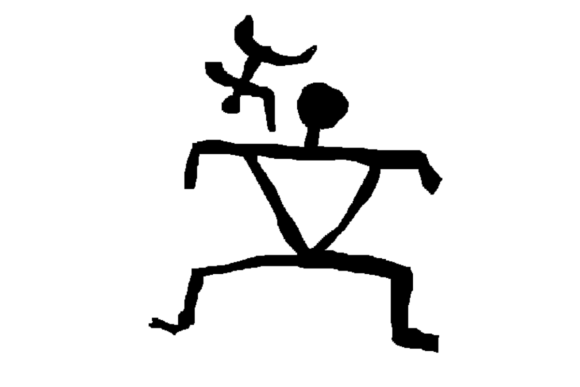
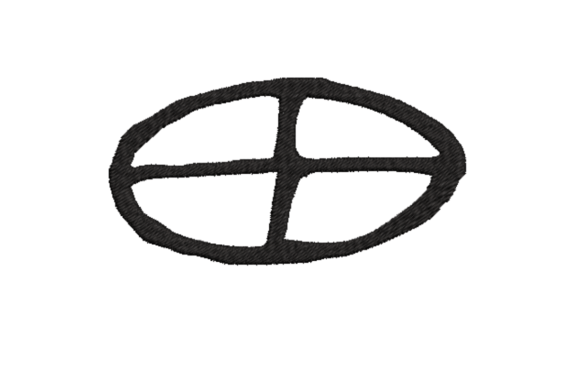
Petroglyph Two lands with grounded elegance—not playful, not romantic, not seasonal—but deeply classic. It carries the hushed reverence of ancestral symbols, yet feels approachable, not academic. The line work is clean and intentional, with subtle tapering and balanced negative space that reads beautifully at both 3" and 6". There’s no fussy detail or fragile filigree—just confident, hand-drawn rhythm translated into a precise machine embroidery design. That balance makes it feel authentically handmade, even when stitched on a commercial machine.
Where Petroglyph Two Shines in Personalized Gifting
This isn’t a one-size-fits-all motif—it thrives where meaning matters more than mass appeal. Here’s where it elevates real products:
- Baby embroidery: Stitched on organic cotton swaddles or muslin blankets, Petroglyph Two becomes a gentle, non-gendered symbol of protection and continuity—ideal for mindful parents seeking alternatives to clichéd animals or initials.
- Wedding gifts: Embroidered onto linen pillow covers or heirloom napkins, it adds quiet sophistication without competing with monograms or florals. Couples drawn to earthy, intentional ceremonies respond strongly to its timeless weight.
- Nursery decor & keepsakes: On wooden growth charts (with fabric panels), framed hoop art, or custom quilt blocks, it grounds a space in calm intention—no pastels required.
- Embroidered towel & kitchen textiles: Its open structure avoids bulk on terry cloth. Paired with natural thread colors (oatmeal, charcoal, deep indigo), it looks artisanal—not “embroidered by machine.”
- Tote bags, aprons & pillow covers: Scales beautifully across fabric types. On heavyweight canvas totes, it reads as bold yet refined; on linen aprons, it whispers craft tradition.
- Etsy seller & small shop product: As a digital embroidery file in the Shapes category, it’s versatile enough to anchor multiple listings—think “Ancient Symbol Collection” bundles or “Minimalist Keepsake Kit” digital downloads with printable mockups.
Where to Use Petroglyph Two Thoughtfully
Its strength lies in restraint—so context matters. Avoid using Petroglyph Two where clarity or durability could be compromised:
- Small lettering or tight curves: It’s a symbol—not a script. Don’t force it into narrow borders or curved seams (e.g., baby onesie collars) where stitch density may distort the form.
- Highly textured fabrics: Thick waffle-weave towels or nubby bouclé require extra stabilizer—and even then, fine interior lines may soften. Test first.
- Stretchy baby clothes: While lovely on blankets and bibs, avoid knit bodysuits unless you’ve confirmed stitch density and stabilizer combo hold true after washing.
- Dark fabric without contrast testing: Its clean silhouette relies on tonal distinction. Always check thread color contrast on your exact fabric—not just on screen.
- Frequently washed items without secure finishing: For embroidered towels or baby blankets, ensure back-tacking and underlay are optimized. Review the embroidery file’s stitch density before finalizing production runs.
Why Petroglyph Two Builds Trust—and Sales
In a crowded handmade market, customers don’t just buy stitches—they buy intention. Petroglyph Two signals thoughtfulness: it’s not generic clip art. That translates directly to perceived value. When photographed on a neutral linen pillow cover beside dried botanicals, it invites slower scrolling, longer dwell time, and higher cart conversion—especially among Etsy shoppers aged 28–45 seeking “quiet luxury” and narrative depth.
It also strengthens customer trust. Because it’s rooted in historical aesthetics—not fleeting trends—it feels trustworthy, not disposable. Buyers associate it with care, legacy, and authenticity—qualities that elevate any personalized gift, whether it’s a baby blanket gifted at a shower or a wedding keepsake presented in handmade packaging.
Practical Embroidery Notes Before You Stitch
Before adding Petroglyph Two to your next batch of custom orders or digital product listings, run these checks:
- Test on scrap fabric matching your final product (e.g., terry cloth for towels, PUL for diaper bags).
- Confirm hoop size compatibility—some versions scale well, others lock into specific hoops. Check your embroidery software preview.
- Review stitch density—especially if stitching on lightweight fabrics or dark backgrounds. Overly dense fills can cause puckering or shadowing.
- Use appropriate stabilizer: medium-weight cutaway for knits, tear-away for stable wovens, and fusible + tear-away for towels.
- Compare light/dark fabric mockups using your actual thread palette—what reads softly on ivory may vanish on charcoal without contrast adjustment.
- Inspect small details post-stitch: look for skipped stitches or thread breaks in tight corners—common in historically inspired shapes with directional flow.
- Verify commercial licensing before selling finished products. Since this is a machine embroidery design intended for creative projects, confirm usage rights align with your business model—especially for wholesale or subscription-based handmade products.
Finally, remember: Petroglyph Two isn’t just another digital embroidery file. It’s a storytelling tool. Whether you’re an Etsy seller building a cohesive brand voice, a wedding gift designer curating emotional resonance, or a baby product creator prioritizing slow-made integrity—this Embroidery design earns its place in thoughtful, handmade product lines. Used intentionally, it doesn’t just decorate fabric—it honors the moment the gift is given.